
Building Confidence After a Fall or Hospital Stay
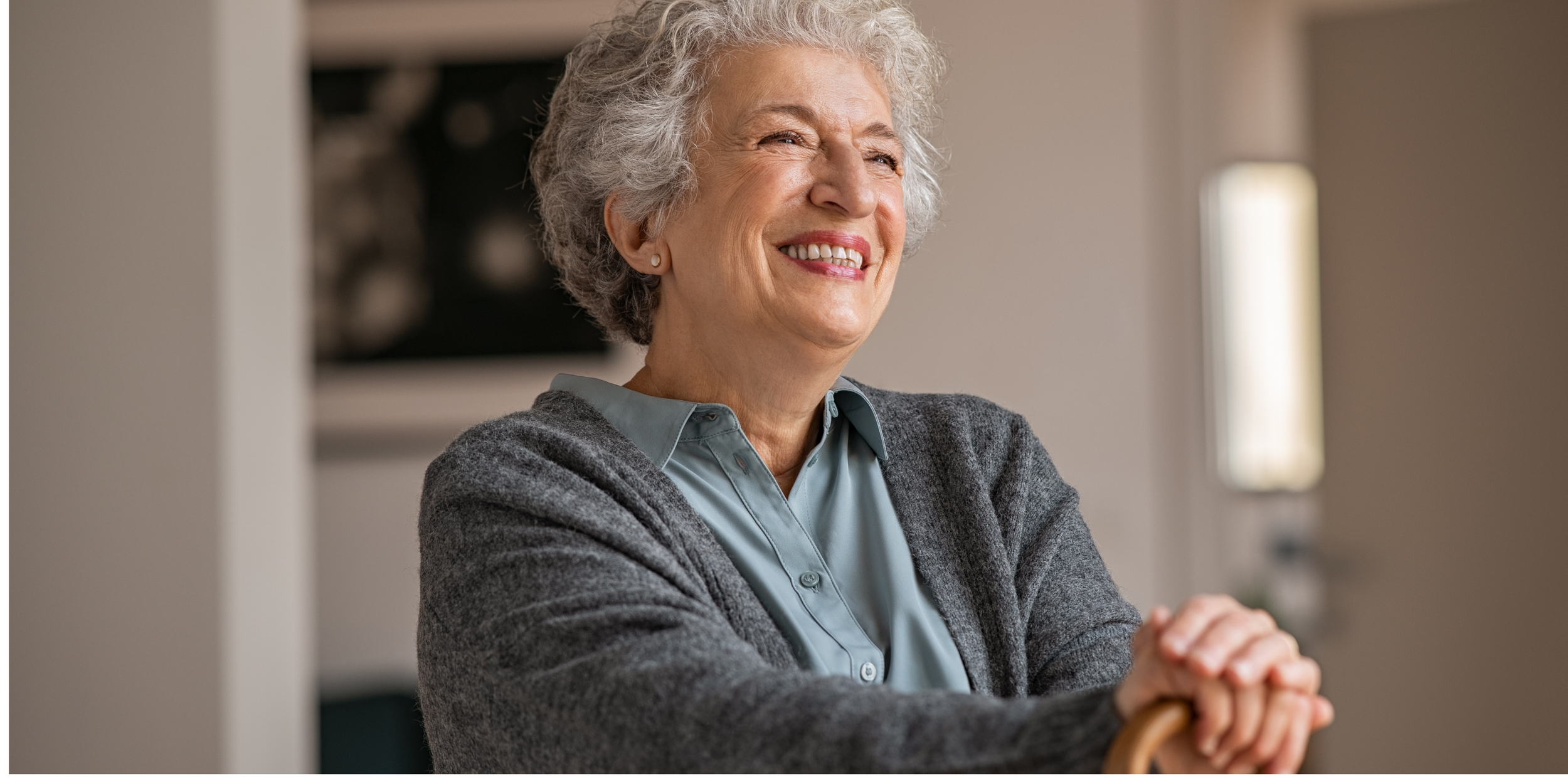
A fall or hospital stay can change everyday life in an instant.
As an older adult, the physical recovery may be only one part of the journey. You can also be scared about falling again, frustrated about needing help, embarrassed about what happened, or uncertainty about whether your life will return to how it was before.
Even after the physical injury has healed, confidence can take much longer to recover.
The good news is that rebuilding independence is possible. With patience, appropriate professional guidance and the right support, small steps can gradually restore confidence and help you feel more comfortable in your home again.
Why a fall can affect confidence
A fall can be frightening, even when it doesn’t result in a serious injury.
Afterwards, you may become nervous about walking around the house, using the bathroom, getting in and out of bed or going outside. You may start avoiding activities you previously enjoyed because you’re worried about falling again.
Fear leads to less activity
Less activity can lead to reduced strength and confidence
Reduced confidence can make everyday activities feel even more difficult
Breaking this cycle gently is an important part of recovery.
It’s also important to remember that fear after a fall isn’t a sign of weakness. Falling can be a genuinely frightening experience, and emotional recovery deserves just as much attention as physical recovery.
The emotional impact of a hospital stay
A hospital stay can also leave you feeling vulnerable.
After spending days or weeks in an unfamiliar environment, returning home may bring mixed emotions. There may be relief at being home, but also anxiety about managing everyday activities again.
You may be thinking:
What if I fall again?
Can I still manage on my own?
What if I need help?
Will things ever feel normal again?
These concerns shouldn’t be brushed aside with reassurance that everything will be fine.
Instead, you should be given time to talk about how you’re feeling. Acknowledging your worries can help you feel heard and supported while you begin working towards recovery.
Start small and celebrate success
After a fall or hospital stay, getting back to normal doesn’t have to happen all at once.
Small, achievable goals can make recovery feel much more manageable.
Depending on professional advice, this might mean gradually working towards things such as:
Getting dressed independently
Preparing a simple meal
Walking safely around the home
Making a cup of tea
Spending time in the garden
Going outside for a short outing
Returning to a favourite hobby
Visiting a friend or family member
What seems like a small achievement to someone else may represent a huge milestone for you.
Celebrating these steps can help rebuild confidence and provide motivation to keep going.
Follow professional advice about recovery
Every recovery is different, so it’s important not to rush the process.
Doctors, physiotherapists, occupational therapists and other healthcare professionals can provide personalised advice about mobility, exercise, equipment and returning to everyday activities.
Following their recommendations can help ensure that progress is safe and appropriate.
If an activity causes pain, dizziness, unusual breathlessness or another concerning symptom, it’s important to stop and seek appropriate medical advice rather than pushing through it.
Making the home feel safe again
After a fall, it’s worth looking at the home environment with fresh eyes.
Simple changes may help reduce hazards and make everyday activities feel less intimidating.
Depending on your individual needs, this could include:
Removing loose rugs or clutter
Improving lighting, particularly around stairs and hallways
Keeping frequently used items within easy reach
Installing appropriate grab rails
Using recommended mobility or safety equipment
Keeping pathways clear
Making sure footwear is secure and comfortable
An occupational therapist can also provide advice about home modifications and equipment that may support safer independence.
Feeling safer at home can make it easier to gradually regain confidence.
Don’t let fear lead to isolation
When confidence is low, it can be tempting to stay at home and avoid social activities.
But isolation can affect mood and wellbeing, making recovery feel even harder.
Having opportunities for connection is important. This might be a family visit, a phone call, sitting outside with a friend or eventually returning to a favourite community activity.
Social connection gives you something to look forward to and reminds you that life continues beyond the fall or hospital stay.
How your family can help without taking over
It can be difficult for families to watch you struggle after a fall. The natural reaction may be to step in and do everything for you.
While this comes from a place of love, doing too much can sometimes intentionally reduce confidence and independence.
Instead, they should try asking:
“What would you like help with?”
Rather than automatically taking over.
Other helpful approaches include:
· Allowing extra time to complete tasks
· Encouraging rather than pressuring
· Celebrating progress
· Listening to concerns
· Supporting recommended routines
· Respecting the person’s choices
· Being patient when progress feels slow
The goal isn’t to do everything for you. It’s to provide enough support for you to do as much as you safely can for yourself.
Rebuilding a sense of independence
Independence doesn’t necessarily mean doing everything without assistance.
For you, independence might mean being able to make choices about your day, preparing your own breakfast, deciding where you want to go or continue participating in an activity you enjoy. Even if some support is needed along the way.
Accepting assistance isn’t failure.
Sometimes the right support is exactly what allows you to remain living at home and continue doing the things that matter to you.
When additional support may help
If you are struggling to regain confidence after a fall or hospital stay, additional support may make the transition home easier.
Signs that extra assistance could be helpful include:
Ongoing fear of falling
Avoiding normal daily activities
Difficulty managing household tasks
Increased loneliness or withdrawal
Reduced confidence leaving the house
Difficulty maintaining routines
Family members becoming concerned about safety
Support can be introduced gradually and adjusted as your confidence returns.
How Caspian Care can support recovery at home
Returning home after a hospital stay can feel daunting, particularly when everyday activities that once seemed simple suddenly require more thought.
At Caspian Care, our support workers can provide practical and compassionate assistance while you rebuild your routines and confidence. This might include companionship, help with everyday activities, support getting out into the community or just having someone there during the transition back home.
Our goal is to support independence rather than replace it, helping you work towards what matters at your own pace.
Recovery is about more than getting back on your feet
After a fall or hospital stay, recovery isn’t just about becoming physically stronger.
It’s also about feeling safe enough to try again, confident enough to participate and supported enough to know that asking for help is okay.
Progress may happen slowly. There may be good days and difficult days, and that’s completely normal.
Every step forward matters.
With the right support, patience and encouragement, you can gradually rebuild not only your physical abilities, but also the confidence to enjoy everyday life again.
Medical Disclaimer
This article provides general information only and is not a substitute for personalised medical advice. Recovery following a fall, injury or hospital stay varies from person to person. Always follow the advice of your doctor and healthcare professionals involved in your care. If you have concerns about your recovery, mobility, pain or risk of another fall, speak with your GP or treating healthcare professional.