
5 Easy Ways You Can Stay Safe as a Senior Online
The internet has made everyday life easier in many ways.
From keeping in touch with family and friends to shopping online, managing banking, booking appointments and accessing important services, technology helps many older Australians stay connected and independent.
But while the online world offers many benefits, it also comes with risks.
Scammers are becoming more sophisticated, and unfortunately, older Australians are often targeted through phone calls, emails, text messages and social media.
The good news is that staying safe online doesn’t mean avoiding technology altogether. With a little knowledge and a few simple habits, you can enjoy the convenience of the digital world with greater confidence and peace of mind.
Why seniors are often targeted by scammers
Scammers don’t discriminate, but they often target older adults because they may assume you are more trusting or less familiar with the latest technology.
Scams are becoming increasingly convincing. Criminals can impersonate banks, government agencies, delivery companies and even family members. Their goal is usually to steal money, personal information or access to online accounts.
It’s important to remember that anyone can be caught out by a scam.
These criminals are skilled at creating urgency and fear, making even confident internet users vulnerable.
1. Learning how scams work is one of the best ways to protect yourself
Knowing the warning signs can help you avoid becoming a victim. Some of the most common scams affecting older Australians include:
Phishing emails: Pretending to be from your bank or a trusted organisation
Text message scams: Claiming there’s a missed delivery or unpaid toll
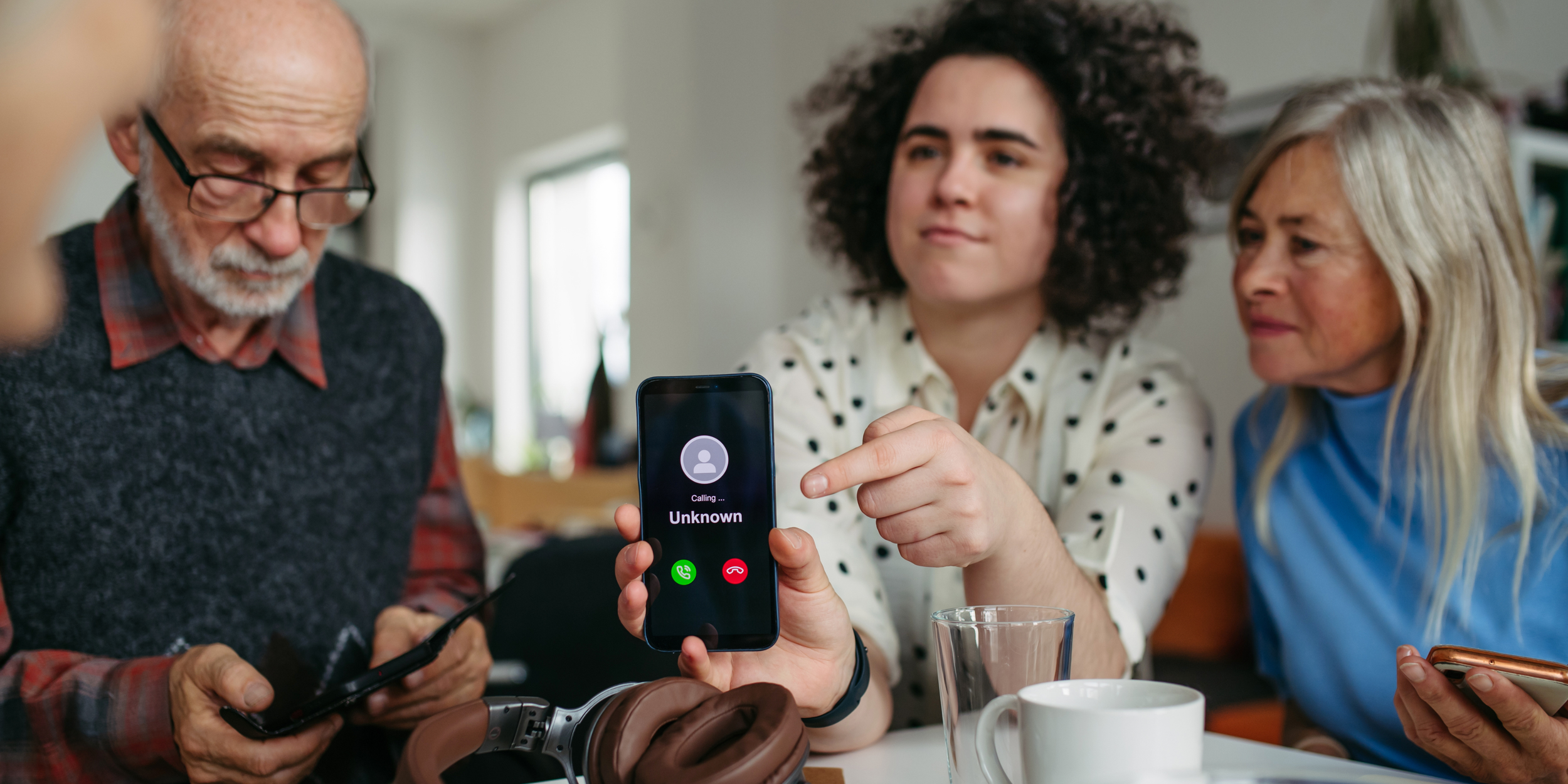
Phone scams: Where callers pretend to be from government departments or technical support
Social media scams: Involving fake competitions, investment opportunities or requests for money
Romance scams: Where someone builds an online relationship before asking for financial help
Online shopping scams: Where fake websites advertise products that never arrive
If something feels unusual, rushed or too good to be true, it’s worth taking a moment to stop and check before responding.
2. Protecting your personal information
Your personal information is valuable, so it’s important to be careful about what you share online.
Try to avoid sharing information such as:
Banking details
Passwords
Medicare numbers
Driver licence information
Passport details
One-time security codes sent to your phone
Legitimate organisations, including banks and government agencies, will never ask you to share passwords or verification codes by phone, email or text.
If you’re unsure, hang up or close the message and contact the organisation directly using their official phone number or website.
3. Create strong passwords and keep them safe
Passwords are one of the simplest ways to protect your online accounts.
Good password habits include:
Using a different password for each account
Choosing longer passwords with a mix of words, numbers and symbols
Avoiding birthdays, names or easy-to-guess information
Using a trusted password manager if remembering multiple passwords becomes difficult
Changing passwords regularly can also help keep your accounts secure.
4. Add an extra layer of protection
Many websites now offer two-factor authentication (2FA).
This means that after entering your password, you’ll also receive a code by text message, email or an authentication app before you can log in.
Although it adds one extra step, two-factor authentication provides valuable protection if someone discovers your password.
5. Knowing how to shop and bank online with confidence
Online shopping and banking are convenient, but it’s important to take a few precautions.
When shopping online:
· Use trusted, well-known retailers
· Check that the website address begins with https:// and displays a padlock symbol
· Avoid clicking shopping links in unexpected emails or text messages
· Use secure payment methods rather than direct bank transfers whenever possible
When using online banking:
· Log in through your bank’s official website or app
· Avoid accessing your accounts using a public Wi-Fi
· Review your transactions regularly and report anything suspicious immediately
Taking these simple steps can significantly reduce your risk.
What to do if you think you’ve been scammed
Even careful people can become victims of scams.
If you think something isn’t right:
· Stop communicating with the scammer
· Contact your bank immediately if money or banking details are involved
· Change any affected passwords
· Report the scam to the relevant authorities
· Tell a trusted family member or friend
Acting quickly can often reduce the impact and help protect your accounts.
Trusted Australian Resources
If you need advice or believe you’ve been targeted, these Australian organisations offer excellent support:
· Scamwatch: Provides up-to-date information about current scams and how to report them
· IDCARE: Offers free support to people experiencing identity theft or cybercrime
· The eSafety Commissioner: Provides practical advice on online safety, privacy and reporting harmful online activity
These trusted resources are designed to help Australians stay informed and protected.
Building confidence with technology
It’s understandable to feel cautious about using technology, especially when scams receive so much media attention.
However, staying informed is far more effective than avoiding the internet altogether.
Technology allows you to:
Stay connected with loved ones
Manage appointments and prescriptions
Access online banking securely
Enjoy hobbies, games and lifelong learning
Shop from home
Connect with community groups and services
Learning one new digital skill at a time can help build confidence and make everyday life easier.
Remember, there’s no shame in asking questions or seeking help.
How families and carers can help
Families play an important role in helping older loved ones feel safe online.
Simple ways to offer support include:
Talking openly about common scams
Helping set up strong passwords and two-factor authentication
Assisting with software updates
Encouraging loved ones to check with someone they trust before responding to suspicious messages
Practising online safety together
These conversations can help build confidence without taking away independence.
How Caspian Care can help
At Caspian Care, we believe independence includes feeling confident in today’s digital world.
Our compassionate support workers can assist older adults with everyday technology, from learning how to use smartphones and tablets to recognising scams and safely accessing online services.
With the right support, technology can become a tool for connection, confidence and independence, not something to fear.
The internet offers wonderful opportunities for you to stay connected, informed and independent. While online scams are becoming more sophisticated, a few simple safety habits can make a significant difference.
By staying informed, protecting personal information and asking for help when something doesn’t sound right, you can enjoy everything the digital world has to offer with greater confidence.
After all, online safety isn’t about being afraid of technology, it’s about knowing how to use it wisely.