
The Emotional Side of Retirement No One Talks About
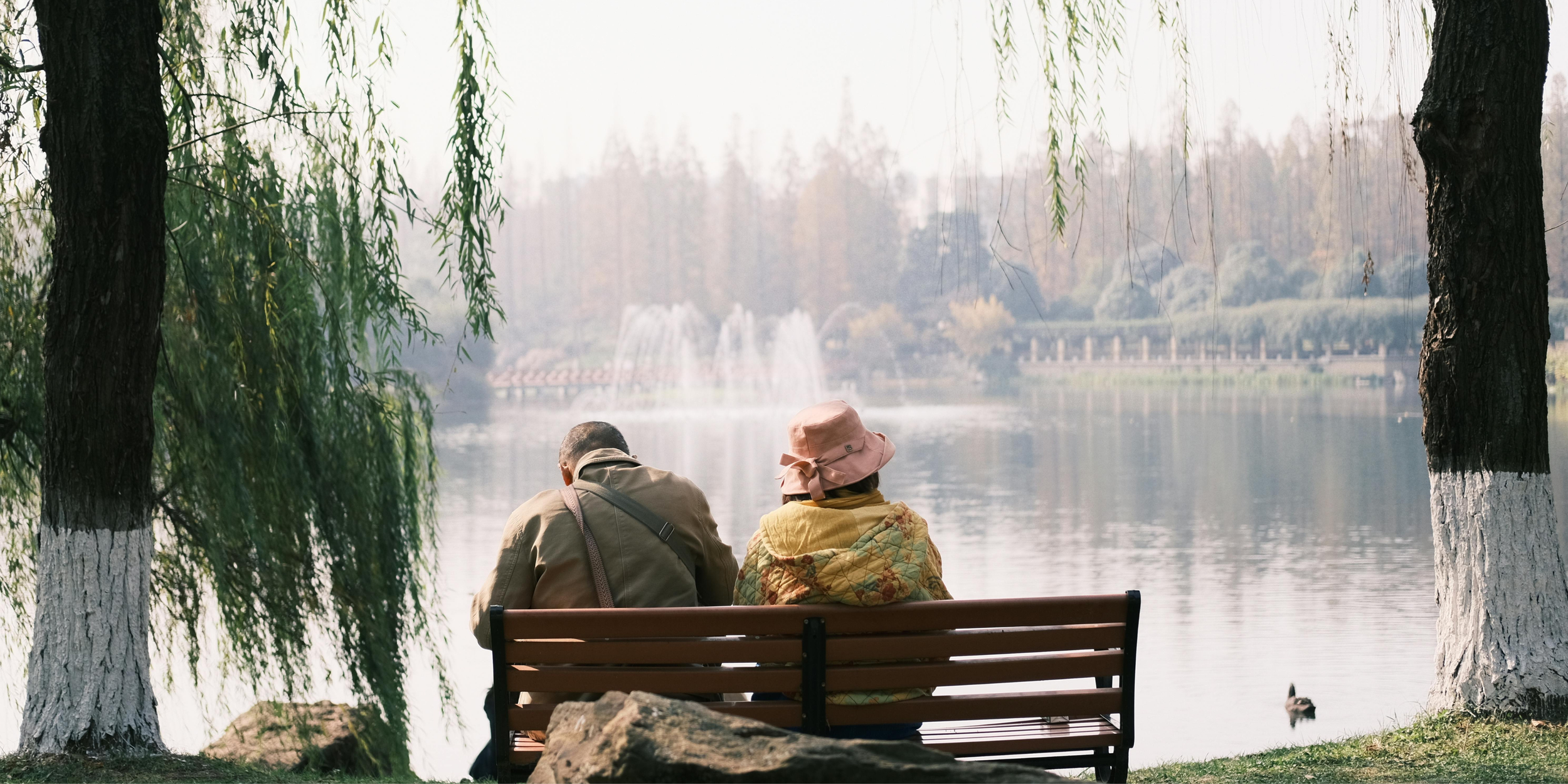
Retirement is often painted as a time of freedom, slow mornings, holidays, hobbies and finally having time to relax. And for many people, retirement can absolutely bring joy and relief after decades of hard work.
But there’s another side to retirement that people don’t always talk about.
For some older adults, stepping away from work can bring unexpected feelings of sadness, loneliness, uncertainty or even a loss of identity. The structure and purpose that work once provided suddenly disappears, and many retirees are left wondering: Who am I now?
These emotions are more common than many people realise, and they deserve to be talked about with honesty and compassion.
Why retirement can feel emotionally challenging
Work is about far more than income. Over the years, careers often become deeply connected to identity, confidence, social connection and daily routine.
A working life can provide:
Structure and routine
A sense of achievement
Purpose and responsibility
Social interaction
Financial independence
Confidence and identity
When retirement begins, those things can change overnight.
Even when retirement is planned and welcomed, the emotional adjustment can still feel surprisingly difficult. Many retirees describe feeling ‘lost,’ disconnected or unsure of how to fill their days in meaningful ways.
This doesn’t mean retirement was the wrong choice, it just means change takes time.
The loss of routine can affect wellbeing
One of the biggest adjustments after retirement is the sudden loss of routine.
For decades, many people follow predictable schedules:
Waking at certain times
Commuting
Attending meetings
Seeing colleagues
Completing tasks
Planning around work hours
When that structure disappears, days can begin to feel repetitive or directionless.
Without routine, it’s easy for:
Motivation to drop
Sleep patterns to change
Activity levels to decrease
Social isolation to increase
Mental health to suffer
This is especially true for retirees who live alone or whose social life was closely tied to work.
Routine creates stability and purpose, and maintaining some structure after retirement can have a significant impact on emotional wellbeing.
Retirement and loss of identity
Many people spend decades introducing themselves through their job title:
I’m a teacher
I’m a builder
I’m a nurse
I’m an accountant
When work ends, it can feel like part of identity disappears too.
This can be difficult for people who found strong meaning, pride or status through their career. Retirement may trigger questions around:
Self-worth
Usefulness
Ageing
Purpose
Independence
These feelings are often kept quiet because retirees may feel guilty admitting they’re struggling during what is ‘supposed’ to be an enjoyable stage of life.
But emotional adjustment is normal, and recognising these feelings is an important step forward.
Loneliness after retirement is more common than people think
For many older adults, work provided daily social interaction without even realising it.
Conversations with colleagues, shared lunches, teamwork and casual connection all contribute to emotional wellbeing. Once retirement begins, those regular interactions can suddenly disappear.
Over time, this can lead to:
Loneliness
Withdrawal
Low mood
Anxiety
Feelings of disconnection
For couples, retirement can also bring unexpected changes in relationship dynamics. Spending significantly more time together may require adjustment, especially when routines and personal space shift.
Staying socially connected is one of the most important protective factors for mental health in later life.
Finding purpose beyond work
Retirement doesn’t mean purpose disappears; it simply changes shape.
Many retirees find deep fulfilment through:
Volunteering
Mentoring
Hobbies and creativity
Caring for grandchildren
Joining community groups
Travelling
Learning new skills
Gentle exercise or wellness routines
Reconnecting with old passions
Purpose does not need to be ‘productive’ to be meaningful.
Sometimes, purpose is found in connection, creativity, contribution or having something to look forward to each day.
The key is allowing space to rediscover what brings joy and meaning outside of work.
Creating healthy routines after retirement
Building new routines can help retirement feel more balanced and emotionally grounding.
Helpful habits may include:
· Waking at consistent times
· Planning social outings
· Joining local groups or classes
· Incorporating movement into the day
· Setting small personal goals
· Maintaining hobbies
· Spending time outdoors
· Volunteering regularly
Routine doesn’t need to be strict; it just provides rhythm and purpose to daily life.
Even small routines can improve mood, motivation and overall wellbeing.
How families can support a loved one through retirement
Families sometimes assume retirement is automatically positive, which can make emotional struggles harder to talk about.
Supportive ways to help include:
· Checking in regularly
· Encouraging social connection
· Supporting hobbies and interests
· Recognising emotional changes
· Listening without judgement
· Helping build confidence in new routines
Sometimes, acknowledging that retirement can feel emotionally complex is incredibly validating.
When extra support can help
If feelings of sadness, anxiety or withdrawal continue for a long period, additional support may help.
Support workers and community services can assist older adults by:
· Encouraging social participation
· Helping maintain routine
· Providing companionship
· Supporting independence
· Assisting with community outings and activities
At Caspian Care, we understand that emotional wellbeing is just as important as physical care. Our compassionate team supports older adults in building confidence, staying connected and creating meaningful routines that support a fulfilling life after retirement.
Retirement is a major life transition and like all major transitions, it comes with emotional adjustment.
While retirement can bring freedom and opportunity, it can also bring questions around identity, purpose and connection. These feelings are more common than many people realise.
The good news is that purpose doesn’t end when work does.
With support, routine, connection and time, retirement can become a new chapter filled with meaning, growth and joy in ways that may look different, but still deeply matter.